Organizational Structure
At Conduction, we maintain a clear organizational structure that promotes collaboration, innovation, and efficient delivery of solutions. Here's an overview of our organization:
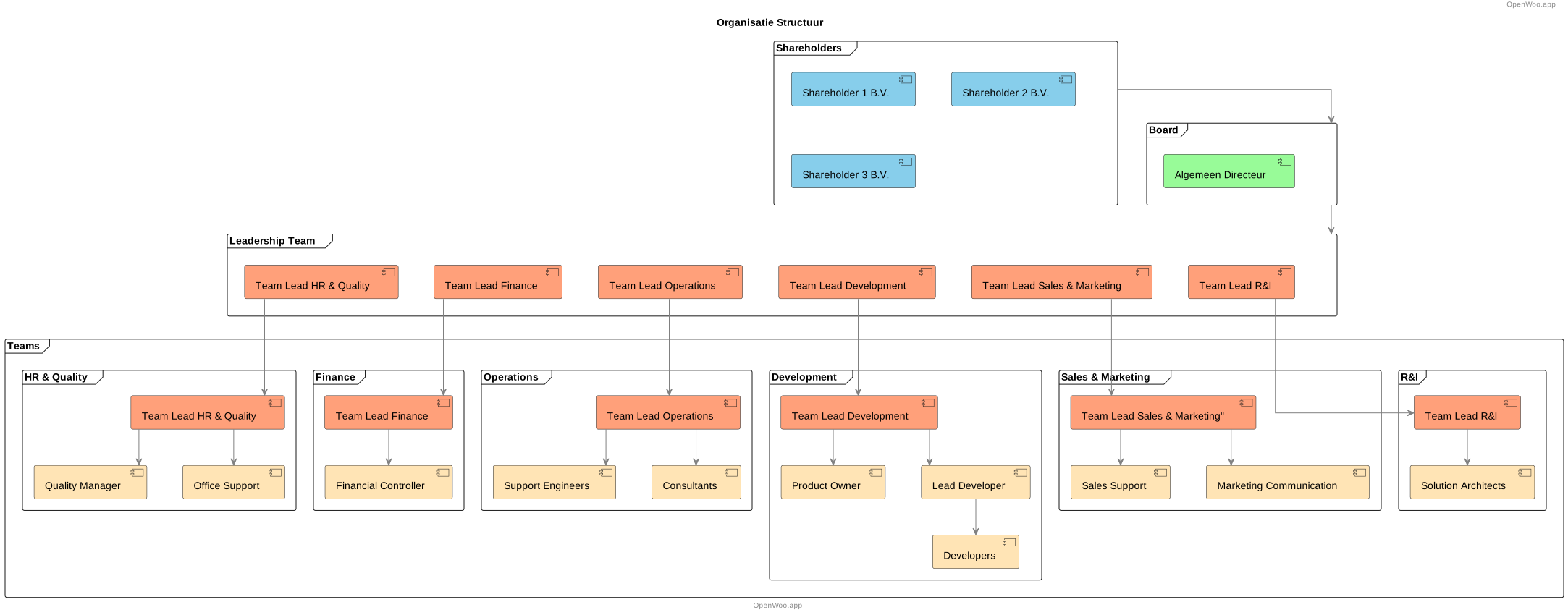
Organizational Levels
Shareholders
Our shareholder structure consists of three entities:
- Shareholder 1 B.V.
- Shareholder 2 B.V.
- Shareholder 3 B.V.
Board
Currently, our board consists of:
- General Director (Algemeen Directeur / Chief Executive Officer)
Strategic Focus
The board operates exclusively at a strategic level, focusing on:
- Long-term organizational vision and direction
- Strategic decision-making and policy development
- Overall company performance and growth
- Stakeholder relationships and accountability
- Risk management and compliance oversight
- Corporate governance
This strategic focus ensures that:
- The organization maintains its long-term vision while the Leadership Team handles operational execution
- Strategic decisions are made with consideration of market trends and organizational capabilities
- Resources are allocated in alignment with long-term objectives
- The organization maintains proper governance and oversight
Future Board Development
While our current board structure is intentionally lean with a single Chief Executive Officer, we have a strategic vision for board expansion that aligns with our organizational growth. This measured approach to board development ensures that our governance structure evolves in harmony with:
- Organizational Scale: Board expansion will parallel our company's growth in size and complexity
- Operational Needs: Additional board positions will be created to address specific organizational requirements
- Market Demands: Board composition will adapt to changing market conditions and opportunities
- Regulatory Requirements: Board structure will evolve to meet governance requirements as we grow
Potential future board positions may include:
- Chief Financial Officer (CFO)
- Chief Technology Officer (CTO)
- Chief Operations Officer (COO)
The timing and sequence of these additions will be carefully considered to ensure they:
- Add clear value to organizational governance
- Support sustainable growth
- Maintain efficient decision-making processes
- Provide appropriate oversight and leadership
This approach allows us to maintain agile decision-making in our current phase while having a clear vision for scaling our governance structure as the organization matures.
Leadership Team
Our organization intentionally operates with a Leadership Team rather than a traditional Management Team. This distinction is fundamental to our organizational philosophy and way of working.
Leadership vs Management Approach
We believe in "first among equals" rather than traditional top-down management. Our Leadership Team members are:
- Actively involved in daily operations alongside their teams
- Leading by example and expertise rather than position
- Both team members and team leaders simultaneously
- Focused on enabling and empowering their teams
Operational Focus
The Leadership Team operates primarily at an operational level:
- Meets weekly to address operational concerns
- Ensures cross-team collaboration and alignment
- Resolves operational challenges
- Facilitates knowledge sharing between teams
- Implements strategic decisions in daily operations
Team Integration
Leadership Team members maintain a dual role:
- End responsibility for their team's performance and development
- Active participation in their team's daily work This approach ensures leaders stay connected to operational realities while guiding their teams.
Expected Competencies for Leadership Team Members
- Strategic thinking: Ability to develop and implement long-term vision
- Strong leadership skills: Inspiring, decisive, and capable of driving team excellence
- Communication skills: Effective in both written and verbal interactions with various stakeholders
- Analytical insight: Ability to translate data into actionable insights and decisions
- Results-oriented: Focus on achieving impactful and measurable results
Key Responsibilities
- Anticipates long-term challenges and drives continuous improvement
- Operates autonomously in line with organizational strategy and objectives
- Creates a results-driven work environment and positive atmosphere
- Clearly communicates decisions and expectations
- Creates commitment among employees and teams
- Provides constructive feedback and coaching
- Resolves conflicts effectively
- Ensures long-term employee development
Team Leads
Expected Competencies for Team Leads
- Strong communication skills
- Connecting and coaching leadership
- Analytical ability to identify problems and opportunities
- Results-oriented with focus on quality
- Flexibility and solution-oriented thinking
Key Responsibilities
- Anticipates long-term challenges within their domain
- Resolves complex issues requiring helicopter view and expertise
- Operates autonomously within goals and budget
- Provides content and/or hierarchical guidance
Differences between Team Lead and Leadership Team
Strategic vs Operational
- Leadership Team: Focus on strategic and long-term goals
- Team Lead: Focus on operational execution
Cross-departmental Responsibility
- Leadership Team: Responsible for positioning their department within the organization
- Team Lead: Focus on department-specific goals
Vision and Innovation
- Leadership Team: Key role in shaping innovation and strategic development
- Team Lead: Contributing to execution of innovation initiatives
Functions vs Roles
In our organization, we distinguish between functions and roles:
Functions
- Formal, established positions
- Specific and structural
- Fixed tasks and responsibilities
- Part of employment agreement
- Long-term focused
Roles
- Flexible task collections
- Context-dependent
- Can be filled by multiple persons
- Focused on collaboration and results
- Can change based on team needs
This structure allows us to maintain clear organizational hierarchy while enabling the flexibility needed in a modern, agile environment.
Specific Team Roles and Responsibilities
1. HR (People & Finance)
- HR Lead
- Quality Manager
HR Lead
Key Responsibilities:
- Strategic HR goals execution
- Policy development for recruitment and retention
- Culture development
- HR process management
- Administrative process oversight
Key Roles:
- Talent Developer
- Culture Guardian
- Onboarding Specialist
- Mediator
- Internal Communicator
- Recruiter
Quality Manager
Key Responsibilities:
- Managing ISO certification processes
- Maintaining quality management system
- Ensuring compliance with standards
- Coordinating internal and external audits
- Continuous improvement of processes
Key Roles:
ISO Certification Manager
- Manages ISO certification processes (9001, 27001, etc.)
- Prepares for certification audits
- Maintains certification documentation
- Coordinates with certification bodies
- Ensures compliance with ISO standards
Quality System Administrator
- Maintains quality management system
- Updates quality documentation
- Monitors quality metrics
- Manages quality records
- Ensures process standardization
Internal Audit Coordinator
- Plans and conducts internal audits
- Trains internal auditors
- Reports audit findings
- Tracks corrective actions
- Verifies effectiveness of improvements
Process Improvement Specialist
- Identifies improvement opportunities
- Implements quality initiatives
- Measures process effectiveness
- Facilitates improvement workshops
- Documents best practices
Required Competencies:
Quality Management Skills
- ISO standards knowledge
- Quality system management
- Audit experience
- Process improvement methods
- Risk management
Technical Understanding
- Documentation systems
- Quality tools and methodologies
- Basic IT knowledge
- Data analysis
- Reporting tools
Soft Skills
- Attention to detail
- Communication abilities
- Training and coaching
- Project management
- Change management
Quality Principles:
Continuous Improvement
- Regular system reviews
- Process optimization
- Performance monitoring
- Feedback implementation
Documentation Excellence
- Clear and accessible documentation
- Regular updates
- Version control
- Knowledge sharing
Compliance Focus
- Standards adherence
- Regular compliance checks
- Risk assessment
- Preventive actions
2. Finance (People & Finance)
- Finance Lead
Finance Lead
Key Responsibilities:
- Financial planning and KPI monitoring
- Cashflow management
- Financial reporting
- Budget responsibility
Key Roles:
- Cashflow Manager
- Budget Controller
- Cost Analyst
- Reporting Specialist
3. Quality and Safety
- Quality Lead
Quality and Safety Lead
Key Responsibilities:
- Quality standards maintenance
- ISO certification management
- Internal audit leadership
- Physical and digital security
Key Roles:
- Quality Controller
- ISO Project Lead
- Prevention Officer
- Risk Manager
- Audit Specialist
4. Operations (Beheer)
- Operations Lead
- Support Engineer
Operations Lead
Key Responsibilities:
- Operational process management
- Customer support management
- SLA monitoring
- Team management
Key Roles:
- Incident Manager
- SLA Monitor
- Process Documenter
- Technical Support
- Support Staff
- Implementation Specialist
Support Engineer
Key Responsibilities:
- First and second line technical support
- Incident and problem management
- User assistance and training
- System monitoring and maintenance
- Documentation maintenance
Key Roles:
Technical Support Specialist
- Analyzes and resolves technical issues
- Performs basic troubleshooting
- Manages support tickets
- Monitors system performance
- Escalates complex issues appropriately
User Support Professional
- Provides direct user assistance
- Conducts user training sessions
- Creates user documentation
- Manages user accounts and access
- Handles user inquiries professionally
System Monitor
- Monitors system health and performance
- Performs routine system checks
- Identifies potential issues proactively
- Maintains monitoring documentation
- Reports system status regularly
Knowledge Base Manager
- Creates and maintains support documentation
- Updates troubleshooting guides
- Manages FAQ database
- Shares knowledge with team members
- Documents common solutions
Required Competencies:
Technical Skills
- Basic understanding of web technologies
- Knowledge of support tools and systems
- Understanding of security principles
- Basic scripting abilities
- System monitoring experience
Customer Service Skills
- Strong communication abilities
- Problem-solving mindset
- Patience and empathy
- Clear explanation skills
- Professional attitude
Documentation Skills
- Clear writing ability
- Attention to detail
- Process documentation
- Knowledge sharing
- Technical writing
Support Principles:
Customer-First Approach
- Prioritizes user satisfaction
- Maintains professional communication
- Shows empathy and understanding
- Follows up on resolved issues
Quality Standards
- Follows support procedures
- Maintains accurate documentation
- Ensures thorough problem resolution
- Meets response time SLAs
Continuous Improvement
- Identifies common issues
- Suggests process improvements
- Keeps skills up-to-date
- Shares best practices
5. Development
- Development Lead
- Product Owner
- Lead Developer
- Developer (Full Stack)
Development Lead
Key Responsibilities:
- Development team leadership
- Technical goal achievement
- Team coaching and development
- Resource allocation and planning
- Technical strategy execution
Key Roles:
- Team Leadership
- Technical Direction
- Process Improvement
- Stakeholder Management
Product Owner
Key Responsibilities:
- Product vision and strategy
- Backlog management and prioritization
- Stakeholder communication
- Feature definition and acceptance criteria
- Release planning
Key Roles:
Vision Keeper
- Maintains and communicates product vision
- Aligns product development with business goals
- Identifies market opportunities
Backlog Manager
- Prioritizes product backlog
- Writes and refines user stories
- Sets acceptance criteria
- Makes trade-off decisions
Stakeholder Liaison
- Communicates with stakeholders
- Gathers and processes feedback
- Manages expectations
- Presents product progress
Lead Developer
Key Responsibilities:
- Technical leadership and mentoring
- Code quality oversight
- Architecture implementation
- Technical decision-making
- Development standards maintenance
Key Roles:
Technical Leader
- Guides technical decisions
- Reviews architectural choices
- Ensures code quality standards
- Mentors development team
Code Quality Guardian
- Performs code reviews
- Establishes coding standards
- Monitors technical debt
- Implements best practices
Technical Problem Solver
- Resolves complex technical issues
- Provides technical guidance
- Optimizes development processes
Developer (Full Stack)
Key Responsibilities:
- Full stack development
- Code quality maintenance
- Testing and documentation
- Collaboration with team members
Key Roles:
- Full Stack Development
- Develops both frontend and backend features
- Implements responsive UI designs
- Creates and maintains APIs
- Manages database operations
Specializations:
Frontend Focus
- Deep expertise in UI/UX implementation
- Advanced JavaScript/TypeScript
- Modern framework proficiency (React, Vue, etc.)
- State management and frontend architecture
- Basic backend understanding required
Backend Focus
- Deep expertise in server-side development
- Database design and optimization
- API development and security
- System architecture and scalability
- Basic frontend understanding required
Required Core Competencies:
Full Stack Understanding
- Frontend fundamentals (HTML, CSS, JavaScript)
- Backend basics (API design, database operations)
- Version control (Git)
- Basic DevOps knowledge
Technical Skills
- Problem-solving ability
- Clean code practices
- Testing methodologies
- Security awareness
Soft Skills
- Team collaboration
- Communication
- Time management
- Learning aptitude
Development Principles:
- Writes clean, maintainable code
- Follows team coding standards
- Creates comprehensive documentation
- Practices test-driven development
- Participates in code reviews
- Shares knowledge with team members
- Continuously learns and adapts to new technologies
6. Sales and Marketing
- Commercial Lead
- Sales Support & Marketing Communication Specialist
Commercial Lead
Key Responsibilities:
- Revenue growth
- Strategic partnerships
- Marketing and sales strategy
- KPI achievement
Key Roles:
- Account Manager
- Partnership Growth Specialist
- Marketeer
- Lead Generator
Sales Support & Marketing Communication Specialist
Key Responsibilities:
- Supporting sales processes and customer communication
- Creating and managing marketing content
- Coordinating communication channels
- Managing social media presence
- Organizing events and presentations
- Maintaining sales and marketing documentation
Key Roles:
Marketing Communication Coordinator
- Develops and executes communication strategies
- Creates and manages content calendars
- Maintains brand consistency
- Writes and edits marketing materials
Digital Marketing Specialist
- Manages social media channels
- Creates engaging online content
- Monitors online engagement
- Analyzes digital marketing metrics
Sales Support Professional
- Prepares sales presentations and proposals
- Maintains CRM system
- Coordinates customer meetings and follow-ups
- Processes sales administration
Event Coordinator
- Organizes company events and webinars
- Manages trade show participation
- Coordinates customer events
- Handles event logistics and follow-up
Required Competencies:
- Strong written and verbal communication skills
- Creative content development abilities
- Digital marketing expertise
- Organization and planning skills
- Customer service orientation
- Attention to detail
- Basic understanding of sales processes
7. Research & Innovation
- R&D Lead
- Solution Architect
R&D Lead
Key Responsibilities:
- Innovation and product development
- Research coordination
- Strategic alignment
- Business case development
Key Roles:
- Innovator
- Prototype Developer
- Trend Analyst
- Experiment Leader
Solution Architect
Key Responsibilities:
- Designing and maintaining technical architecture
- Ensuring scalability and sustainability of solutions
- Providing technical leadership and guidance
- Evaluating and recommending new technologies
- Creating and maintaining architecture documentation
Key Roles:
Technical Visionary
- Develops technical roadmaps
- Evaluates emerging technologies
- Defines architectural principles and standards
Architecture Designer
- Creates system architectures
- Designs integration patterns
- Ensures compliance with standards
Technical Advisor
- Guides development teams
- Reviews technical solutions
- Provides architectural oversight
Innovation Driver
- Identifies technical opportunities
- Proposes innovative solutions
- Leads proof-of-concept initiatives
Required Competencies:
- Deep technical expertise
- Strong analytical and problem-solving skills
- Excellent communication abilities
- Strategic thinking
- Innovation mindset